


PRODUCT DESIGN · UX STRATEGY · Social PLATFORM

Golf Matching

Industry

Sports

Social Platform

Role

UX Designer

Product Design

Scope

UX Research

User Flows

Interaction Design

UI Direction

Prototyping

Platform

Mobile App

Year

2024

Market

Thailand

Overview

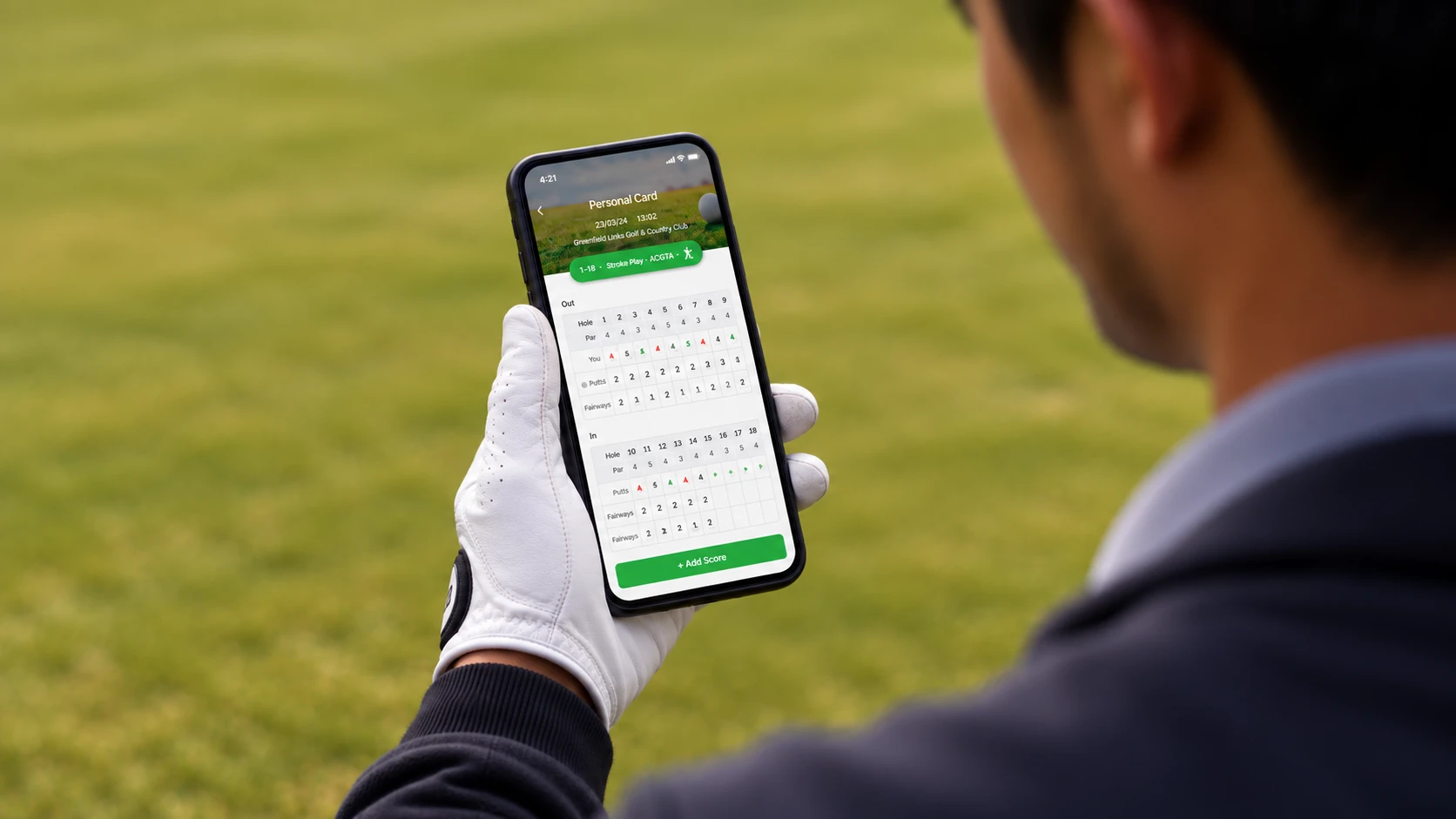
Golf Matching is a mobile app for finding games, meeting players, and keeping score. Players relied on separate chats, calls, and paper scorecards to organize games and track scores.

The project focused on bringing these tasks into one app, supporting players from planning a match to keeping score during a round.

Key objectives

  • Make matches easier to organize before and during a round.
  • Help players find and join games.
  • Make scorekeeping simple without interrupting play.
  • Bring match details, messages, and scoring into one place.
  • Allow for future booking and activity features.

Key Challenges

Scattered Information

Match details and updates were spread across group chats, messages, and phone calls.

Manual Scorekeeping

Players relied on paper scorecards and manual entry to track their rounds.

Finding The Right Players

Finding golfers with similar skill levels and interests was difficult.

Coordination Effort

Changes to players, schedules, and course details meant more follow-up for organizers.

How players organized a round

Players moved between group chats, phone calls, and paper scorecards to organize and track a round.

Facebook Groups / LINE Chat

→

Golf Club Calls

→

Caddy and Facilities Coordination

→

Paper Scorecards

Solution Focus

Organizing and joining a game involved several disconnected steps.

The design brought player discovery, match setup, communication, and scoring into one flow. Match setup was broken into focused steps, while match details and scoring tools were kept easy to access during a round.

Structuring the core experience

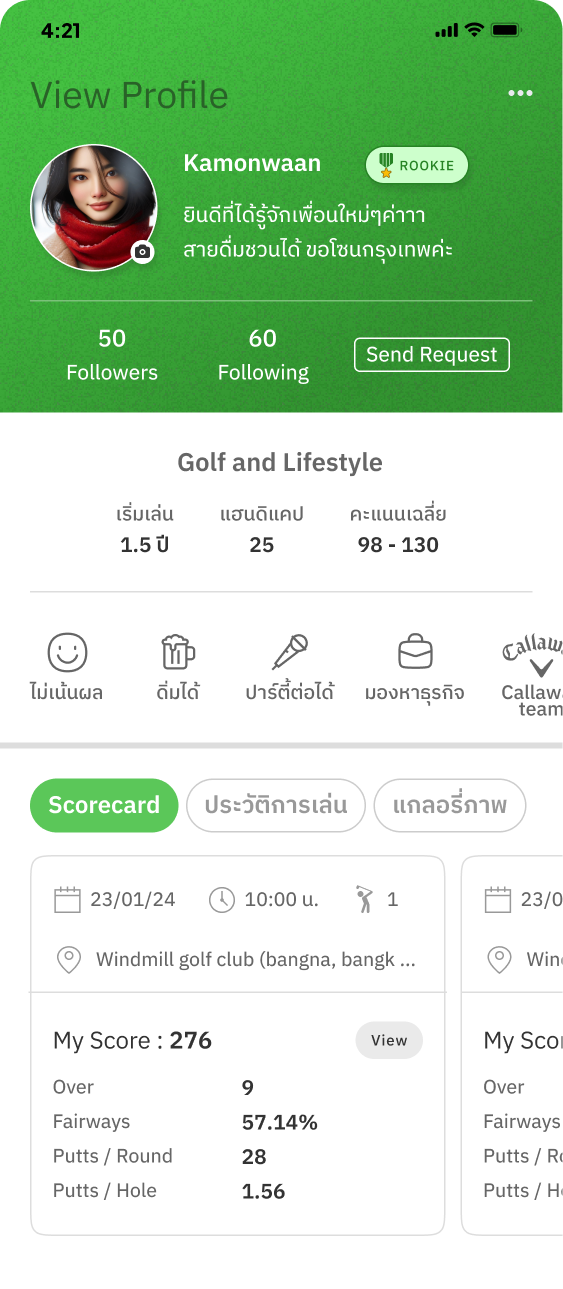
Player profiles, matches, scoring, and account settings form the app’s main structure. Mapping how they connect helped define the core flows, from finding a game and joining a match to keeping score during play.

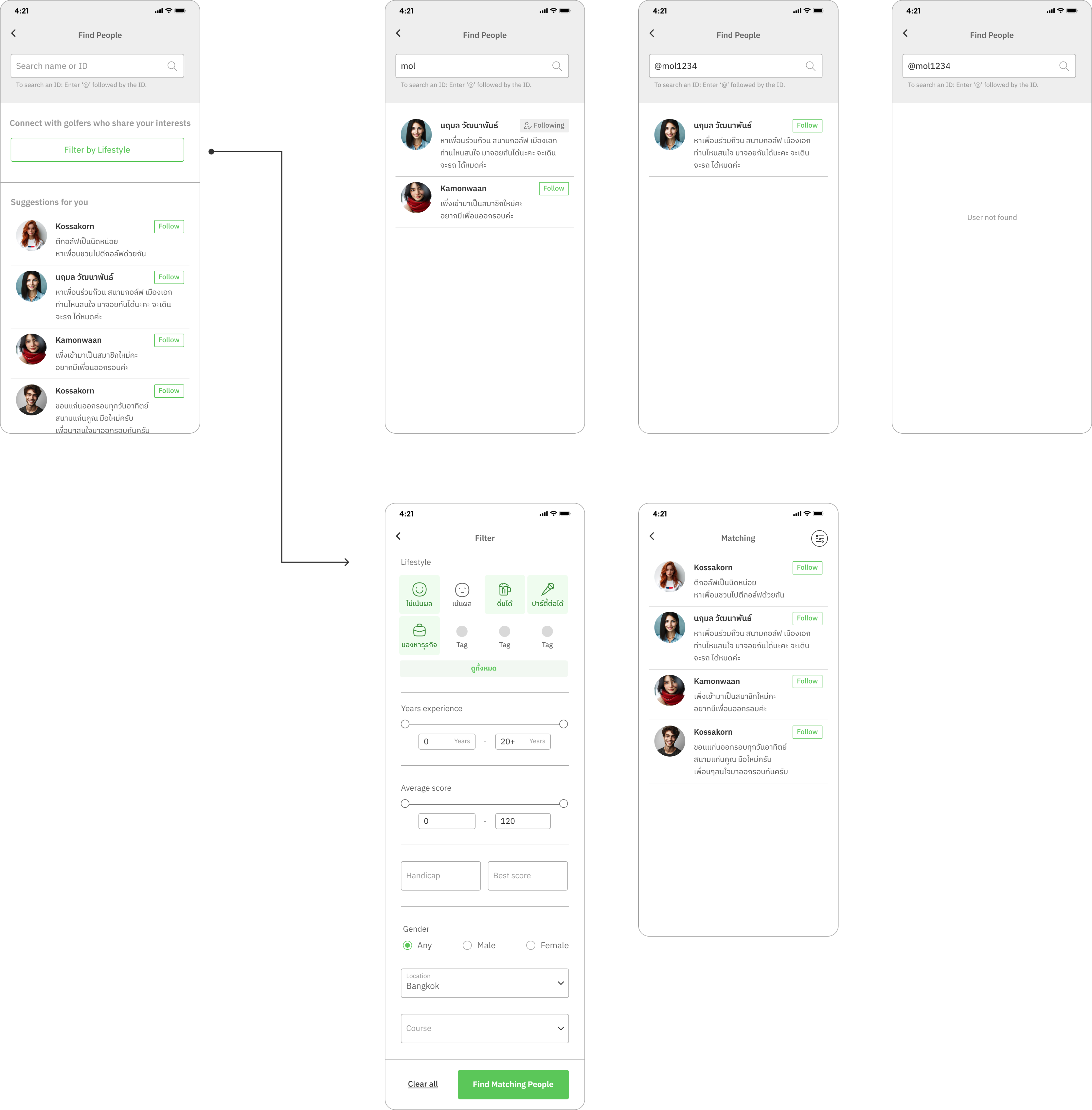
Finding players to play with

Player search lets golfers find people by experience, score, location, interests, and preferred courses. It adds a way to connect with other players beyond browsing available matches.

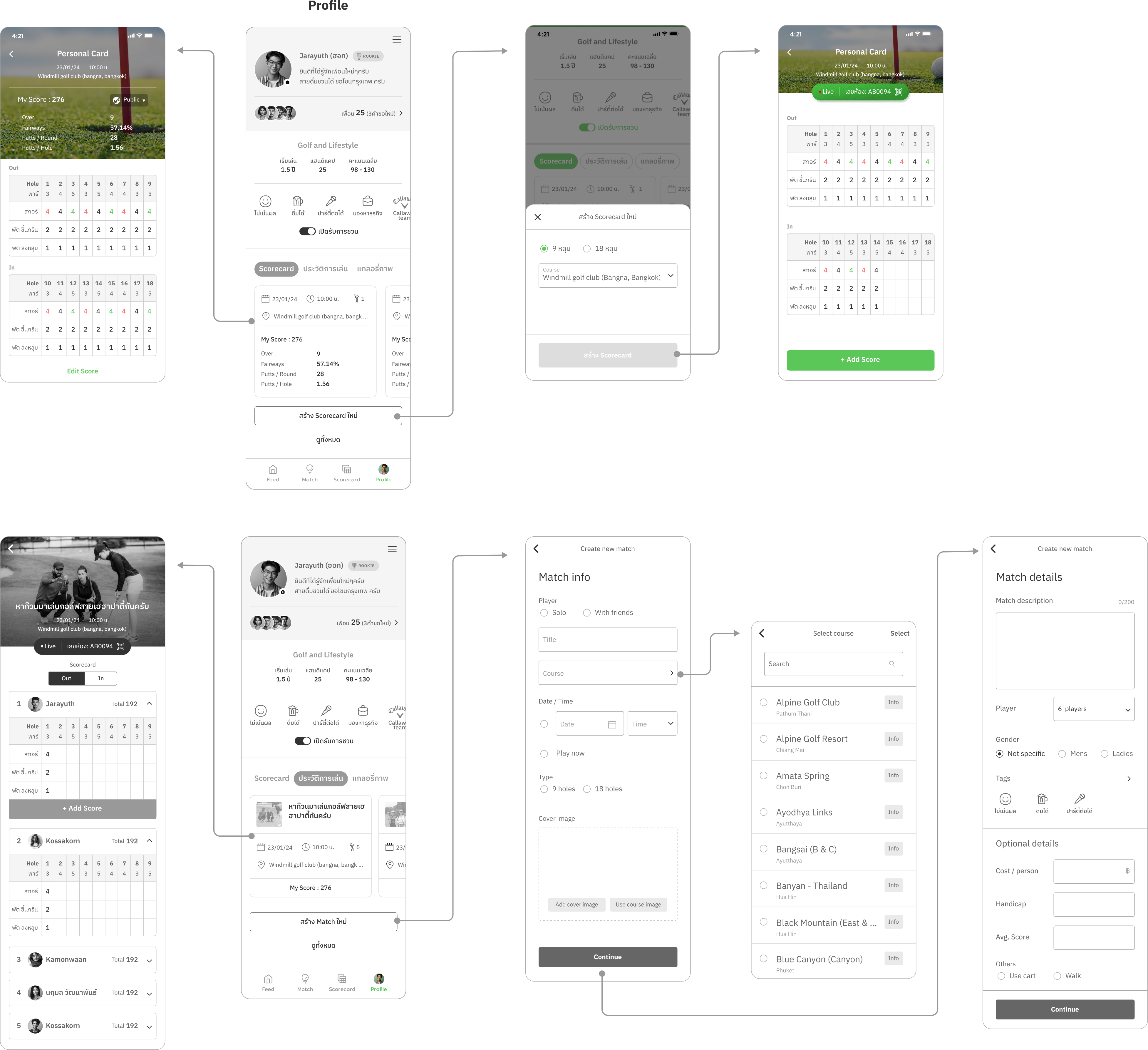
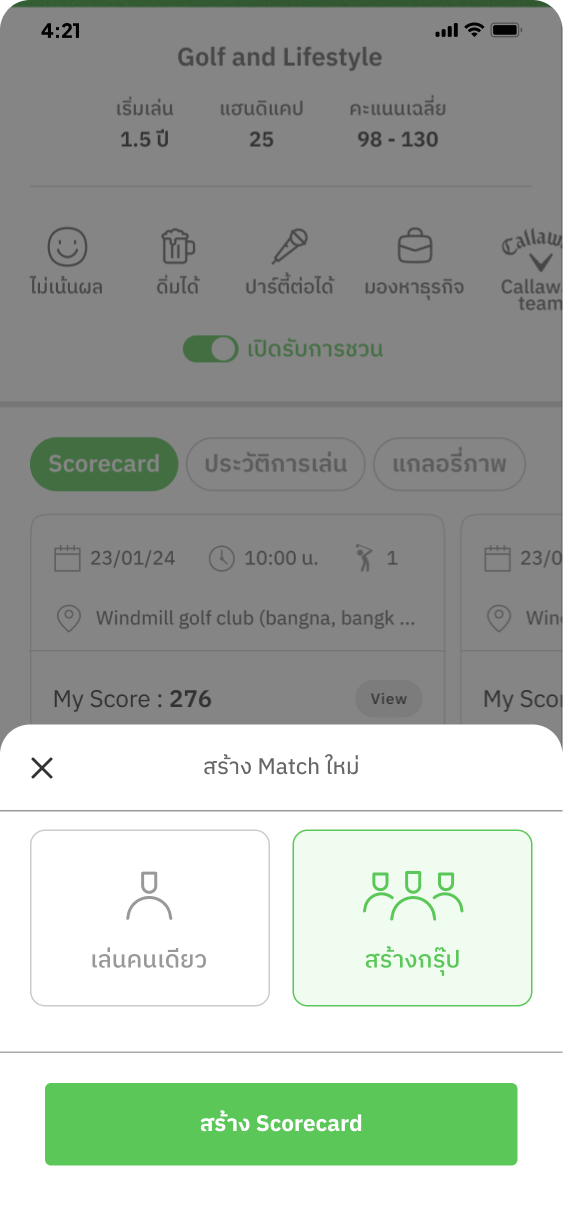
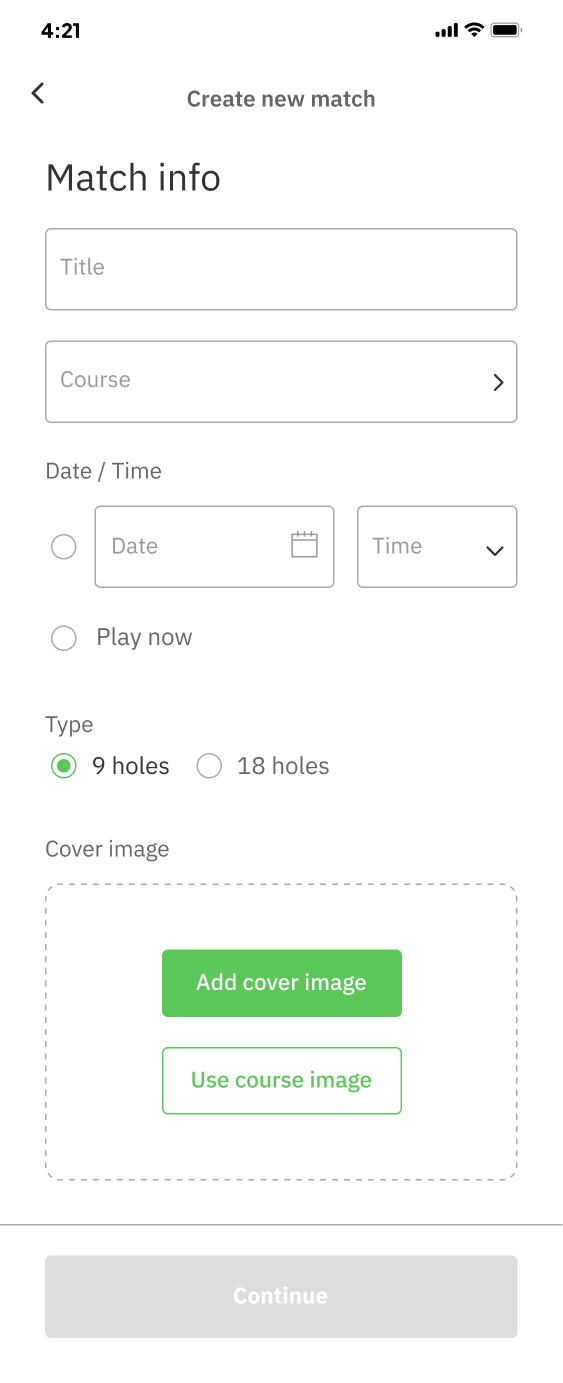
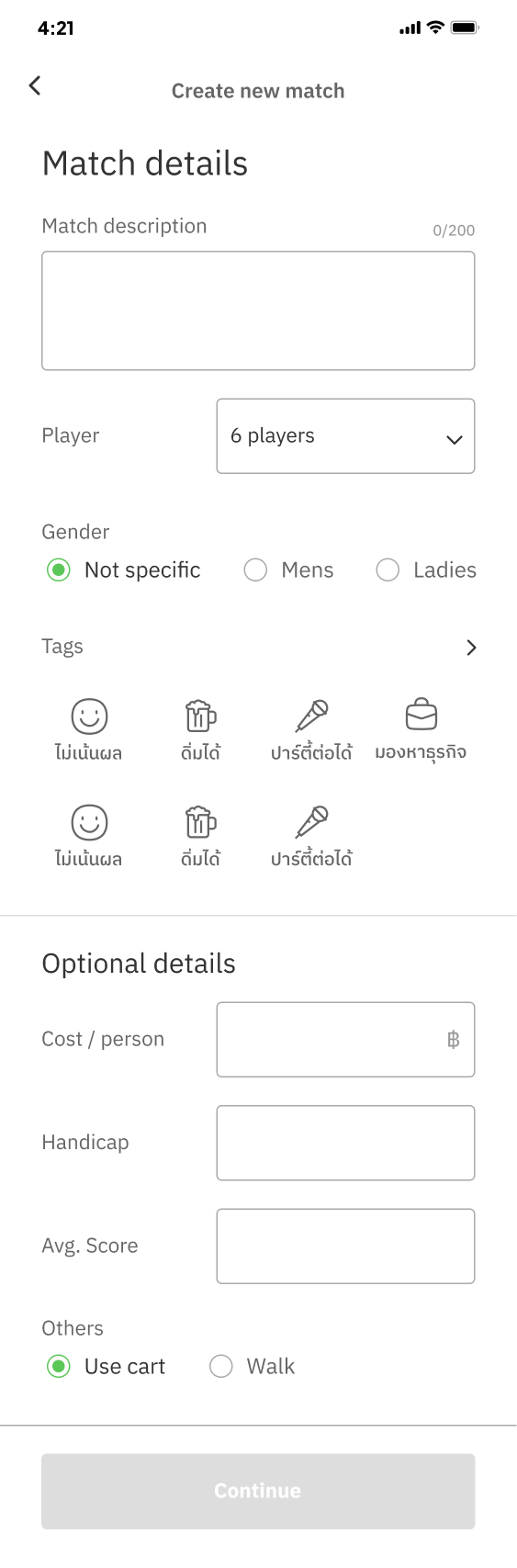
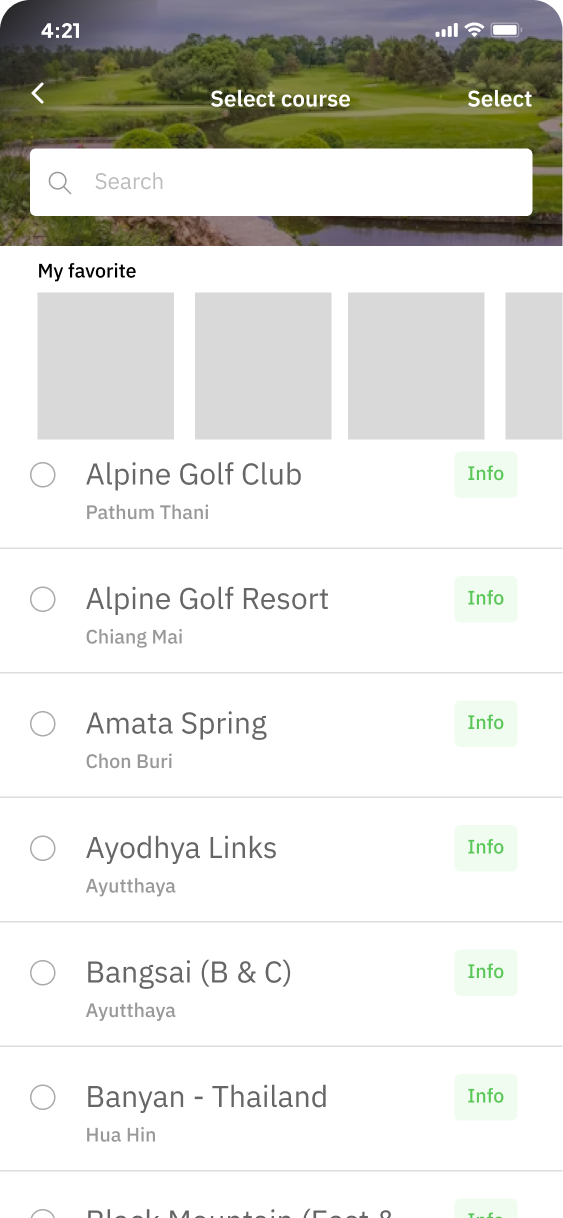
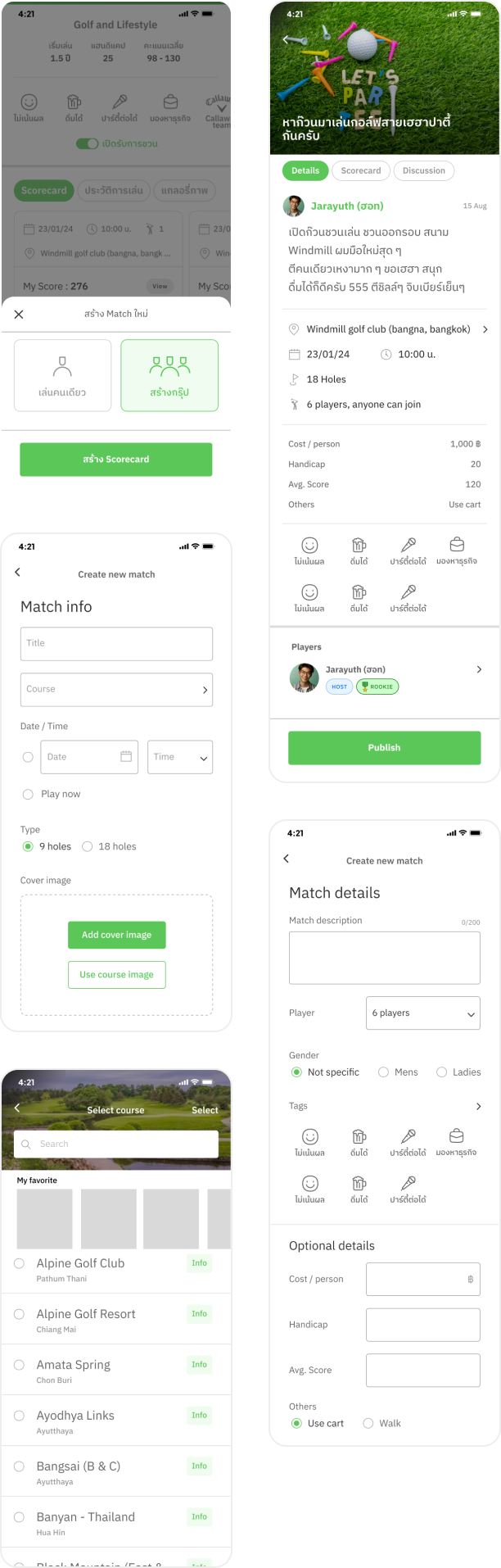
Creating a match

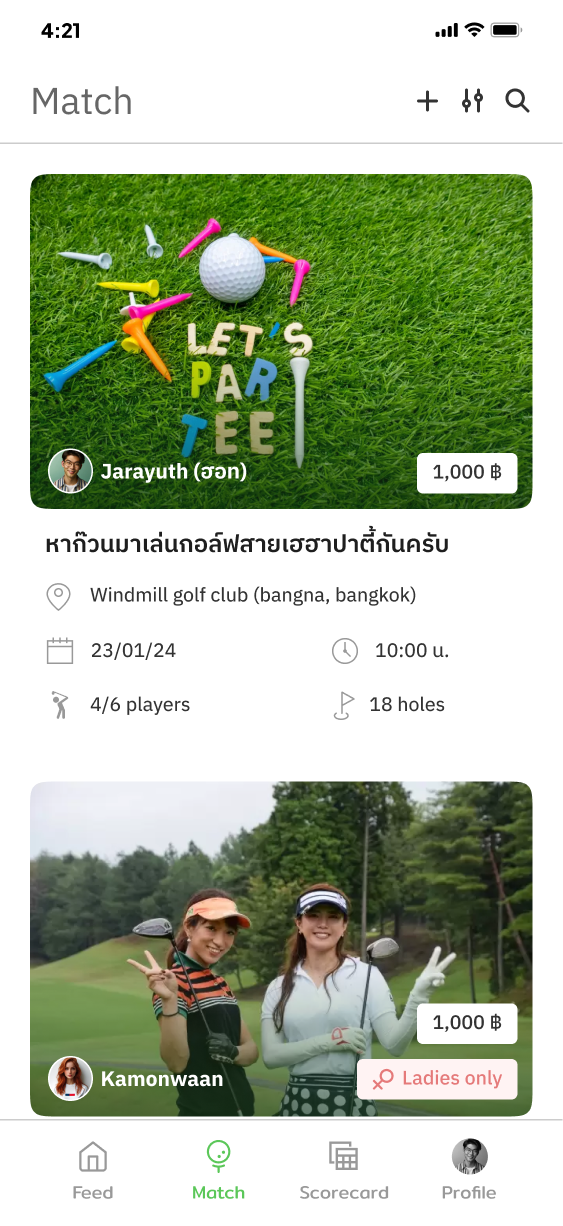
Match setup starts with the essentials, then moves into player preferences and playing conditions. I split the process into focused steps to keep setup manageable while giving organizers control over the details.

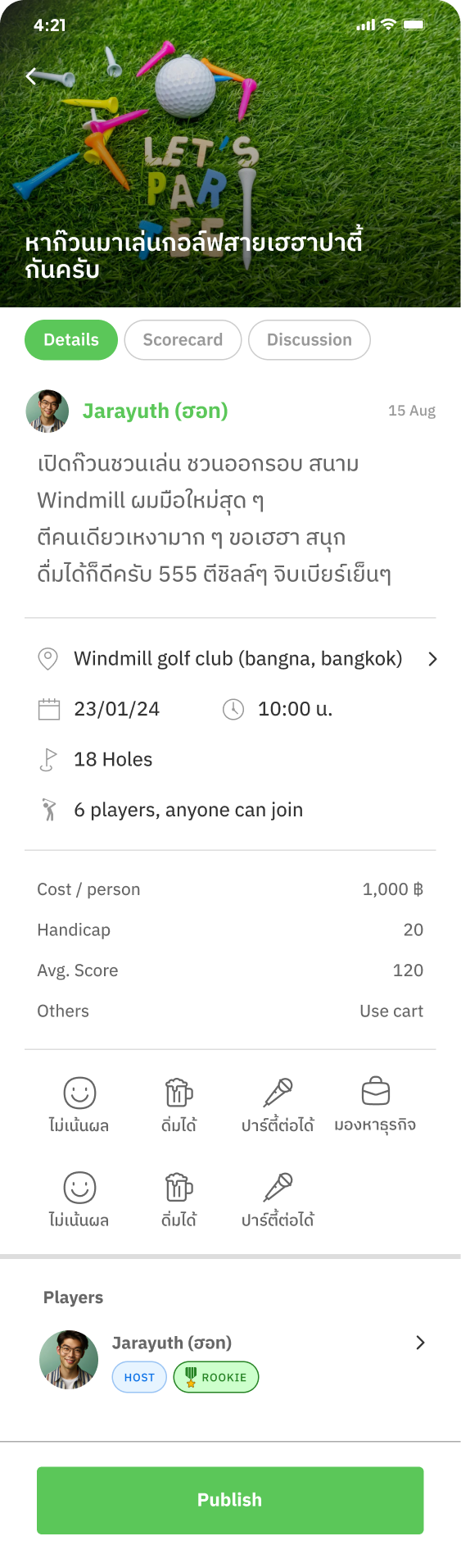
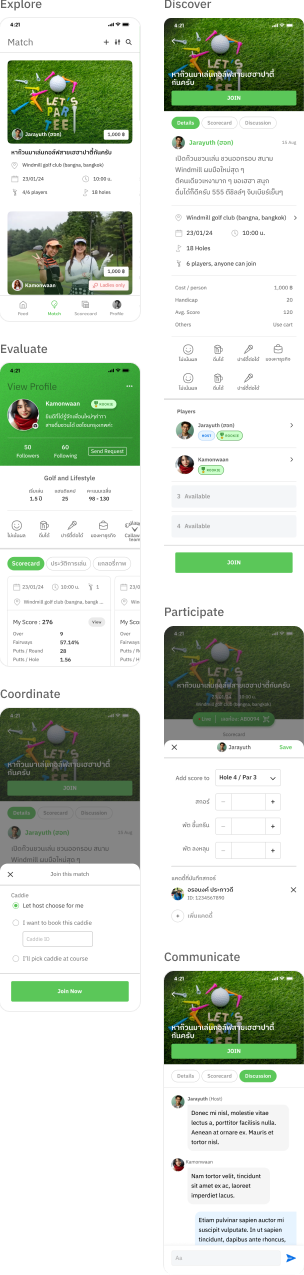
Choosing a match

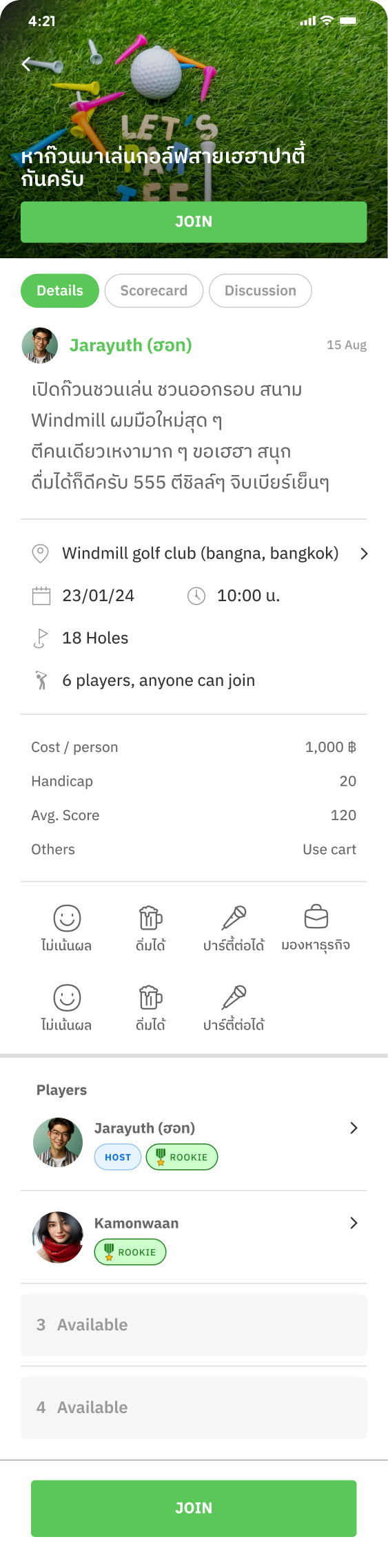
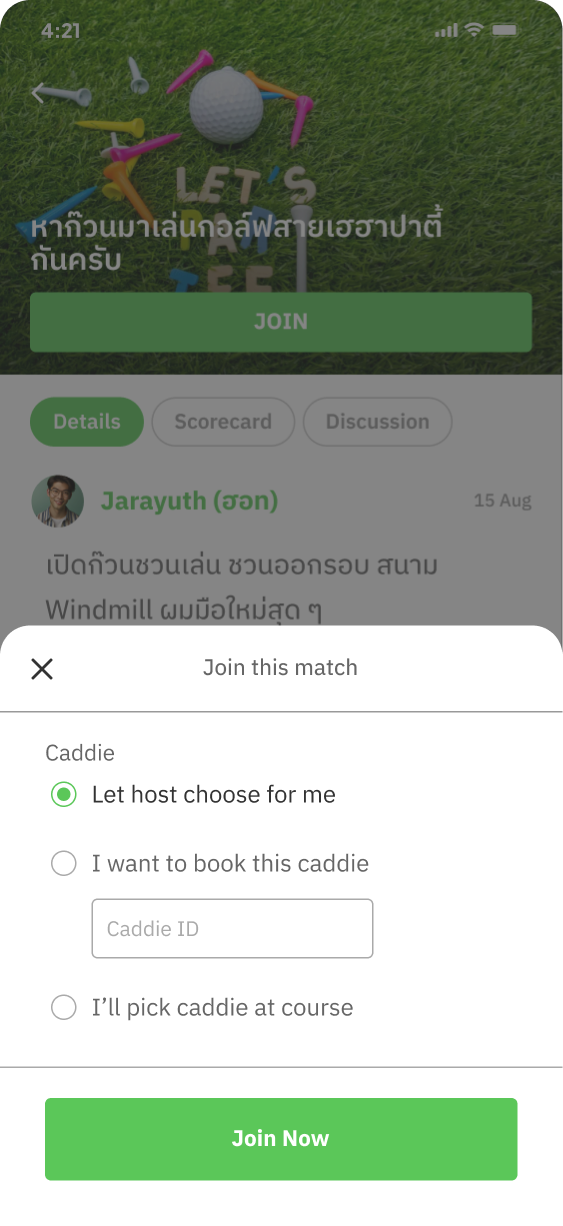
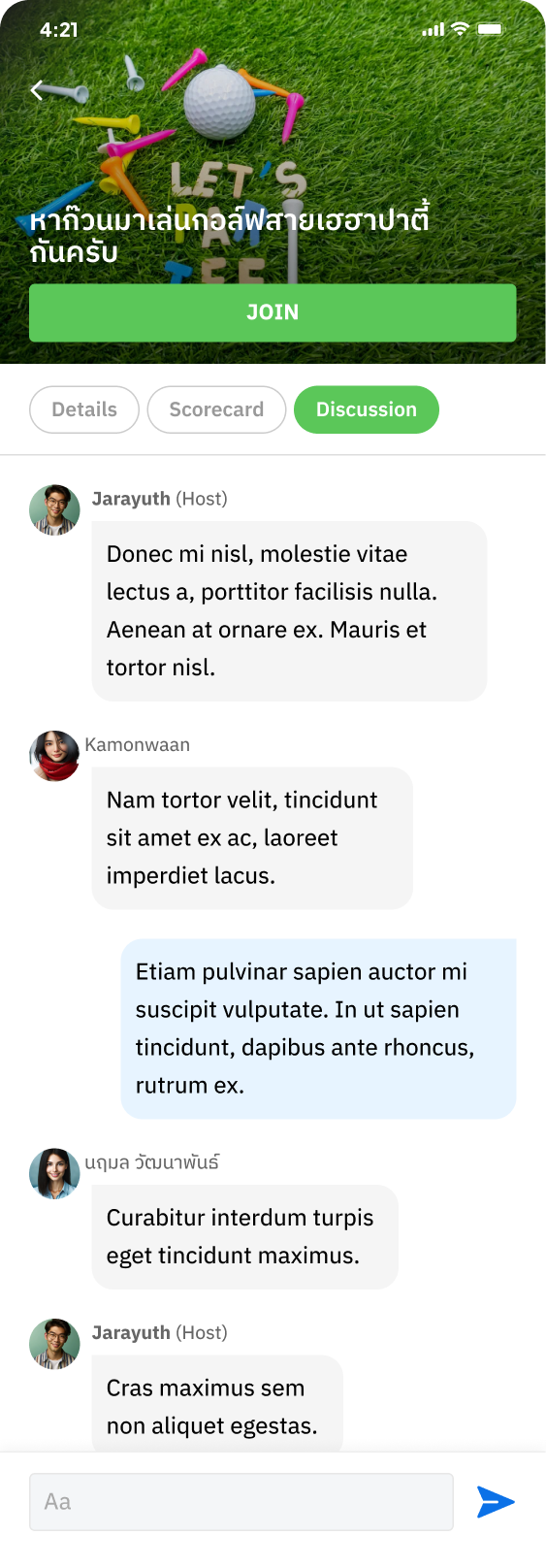
Match pages bring participants, availability, and playing conditions together. Players can review the details before joining, then use the same space to follow updates and communicate.

Explore

Discover

Evaluate

Coordinate

Participate

Communicate

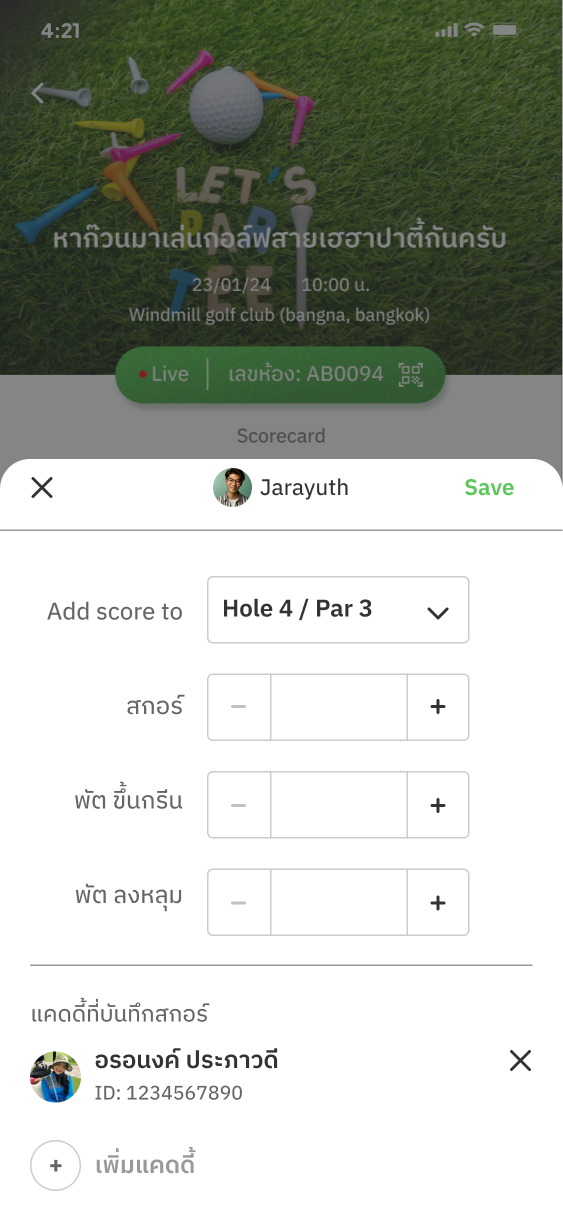
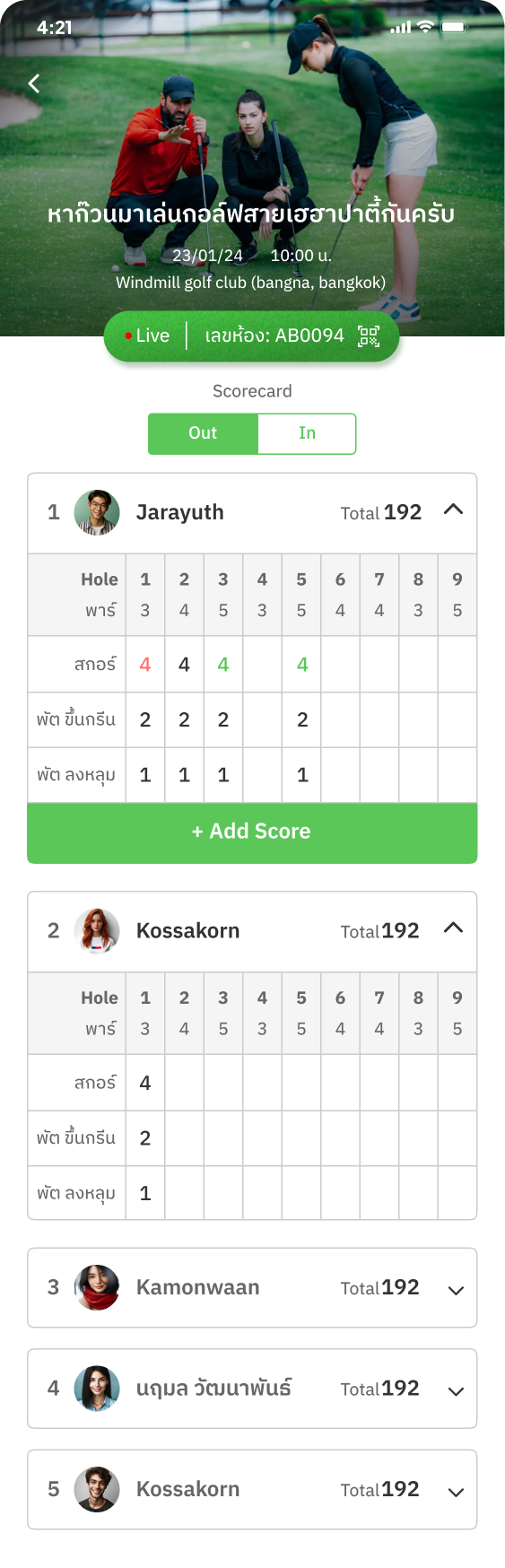
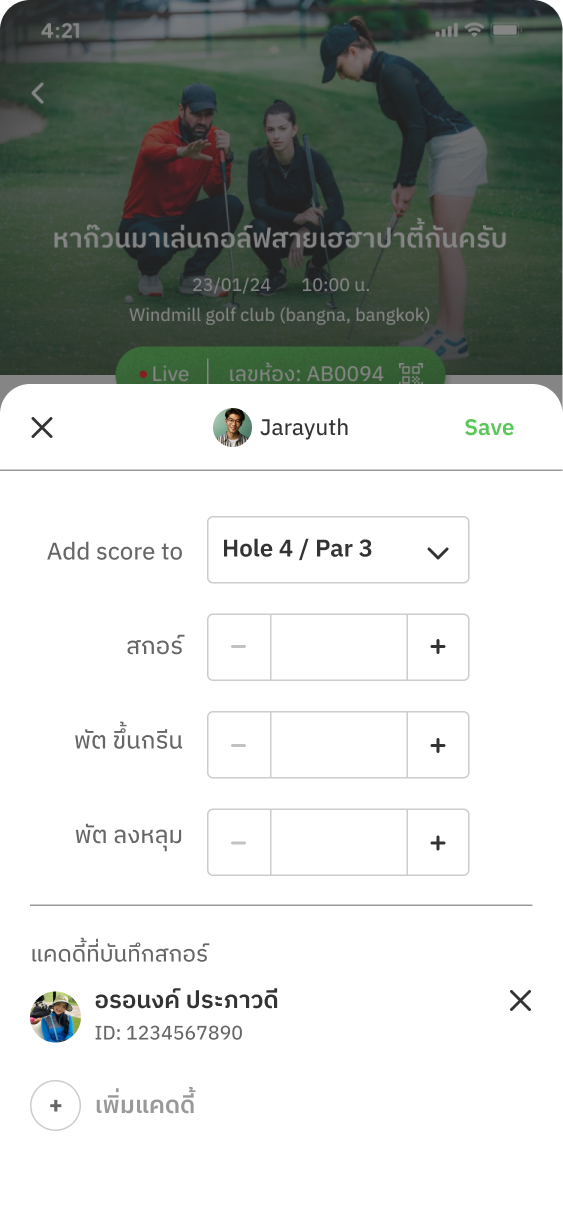
Keeping score during play

During a round, score entry and player communication stay within the match experience. The layout gives these actions priority to keep them easy to access during play.

Score card (landscape support)

Quick score entry (advanced support)

Key Challenges

Scattered Information

Match details and updates were spread across group chats, messages, and phone calls.

Manual Scorekeeping

Players relied on paper scorecards and manual entry to track their rounds.

Finding The Right Players

Finding golfers with similar skill levels and interests was difficult.

Coordination Effort

Changes to players, schedules, and course details meant more follow-up for organizers.

How players organized a round

Players moved between group chats, phone calls, and paper scorecards to organize and track a round.

Facebook Groups / LINE Chat

Golf Club Calls

Caddy and Facilities Coordination

Paper Scorecards

Solution Focus

Organizing and joining a game involved several disconnected steps.

The design brought player discovery, match setup, communication, and scoring into one flow. Match setup was broken into focused steps, while match details and scoring tools were kept easy to access during a round.

Structuring the core experience

Player profiles, matches, scoring, and account settings form the app’s main structure. Mapping how they connect helped define the core flows, from finding a game and joining a match to keeping score during play.

Finding players to play with

Player search lets golfers find people by experience, score, location, interests, and preferred courses. It adds a way to connect with other players beyond browsing available matches.

Creating a match

Match setup starts with the essentials, then moves into player preferences and playing conditions. I split the process into focused steps to keep setup manageable while giving organizers control over the details.

Frame 6591

Choosing a match

Match pages bring participants, availability, and playing conditions together. Players can review the details before joining, then use the same space to follow updates and communicate.

Frame 6596

Keeping score during play

During a round, score entry and player communication stay within the match experience. The layout gives these actions priority to keep them easy to access during play.

Score card (landscape support)

Quick score entry (advanced support)

Project Outcome

Building a connected golf participation experience

Golf Matching brought fragmented golf coordination into a more connected mobile experience, linking match discovery, setup, player coordination, participation, communication, and scoring within one continuous journey.

The resulting structure reduced reliance on disconnected tools while establishing a foundation that could support broader golf participation features as the product evolved.

Project note

My involvement concluded at this stage, while the product continued through further development without my direct participation.

The UX architecture, core flows, and interaction patterns established here remained a foundation for BirdieX and continue to shape much of the product today.